

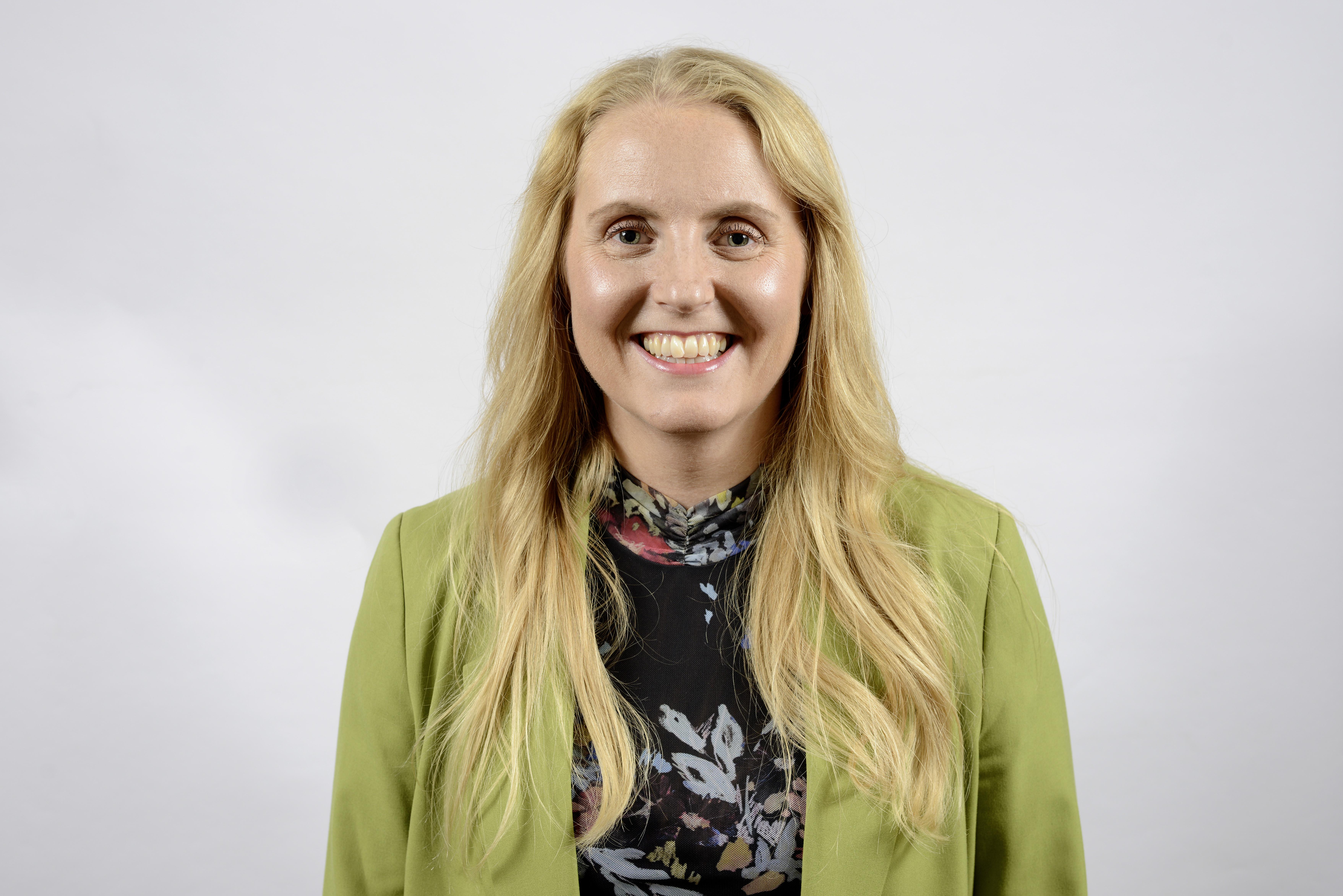
Cllr Naomi Tweddle, Leader of City of Lincoln Council, shares her thoughts about why she supports the city’s proposal for Local Government Reorganisation in Greater Lincolnshire.
Lincoln is a unique, beautiful, and thriving city.
Lincoln is a proud, vibrant, and innovative city with a rich cultural history. It has grown substantially over the past five decades and has now outgrown the governance framework established in the 1970s. For Lincoln and Lincolnshire to achieve their full potential, governance must match modern demographic and economic realities.
We have proposed to reshape local government in Lincolnshire through the creation of two new unitary authorities: Lincoln City and Rural Lincolnshire, with the option for North Lincolnshire and North East Lincolnshire to merge or collaborate more closely when legislation allows. This approach delivers efficient, sustainable, and community-focused governance that reflects today’s demographic, economic, and geographic realities, not those of 1974.
The city is clearly distinct from the wider county; it is a contemporary urban centre with a younger population and requires different approaches to prevention, service delivery, and economic development compared to the older, more rural communities of Lincolnshire. Creating two focused authorities will allow both areas to receive more targeted, effective, and efficient public services.
Lincoln’s strengths in education, digital industries, and the creative sector, powered by the University of Lincoln and the Lincoln Science & Innovation Park, complement Rural Lincolnshire’s leadership in agri-food production, renewable energy, and advanced manufacturing. Separate unitaries will allow each area to pursue growth strategies tailored to its economic potential.
A central ambition of this proposal is to embed prevention within public services. Key services, including adult social care, children’s services, SEND, housing, and public health, will be tailored to local needs, with opportunities for joint arrangements where appropriate. This approach aims to improve outcomes, reduce long-term demand, and provide better support for the most vulnerable.
While the creation of two new unitary authorities will reduce the overall number of councillors, democratic representation will be strengthened through multi-member wards and Neighbourhood Area Committees aligned with NHS Primary Care Network boundaries, ensuring closer links between councils and communities.
The proposal is financially sustainable, requiring no exceptional support from central government. Transition costs of £48 million will be funded locally through capital receipts and reserves.
The new councils will adopt a resident-focused, prevention-oriented, and outcomes-driven model of service delivery, ensuring that public services are not only efficient but also responsive to community needs.
Developed through extensive engagement with residents, partners, businesses, voluntary groups, and young people, the proposal responds to priorities such as identity, affordable housing, access to services, employment, and effective governance. Many respondents supported extending Lincoln’s boundaries while protecting rural voices.
The proposal meets the Government’s criteria by creating single-tier authorities of appropriate scale, supporting high-quality and sustainable services, strengthening devolution, and enhancing local identity and accountability.
Key strategic projects, including the Local Skills Improvement Plan (LSIP), sustainable urban extensions, and major housing developments, will act as drivers of economic growth, while Rural Lincolnshire will pursue proportionate growth focused on market towns, rural communities, and its key sectors, including agri-food, renewable energy, and tourism.
Here at City of Lincoln Council, we view this proposal as a once-in-a-generation opportunity to transform local governance. It is a chance to redesign how local government works, ensuring it is fit for the future and capable of delivering for communities in a rapidly changing world.
Lincoln is a special, unique city and this proposal aims to honour that uniqueness while securing a strong, sustainable, and prosperous future for both the city and the wider county. Recent highlights, such as the fox and otter wandering its quiet streets, remind us just how distinctive the city of Lincoln truly is.